
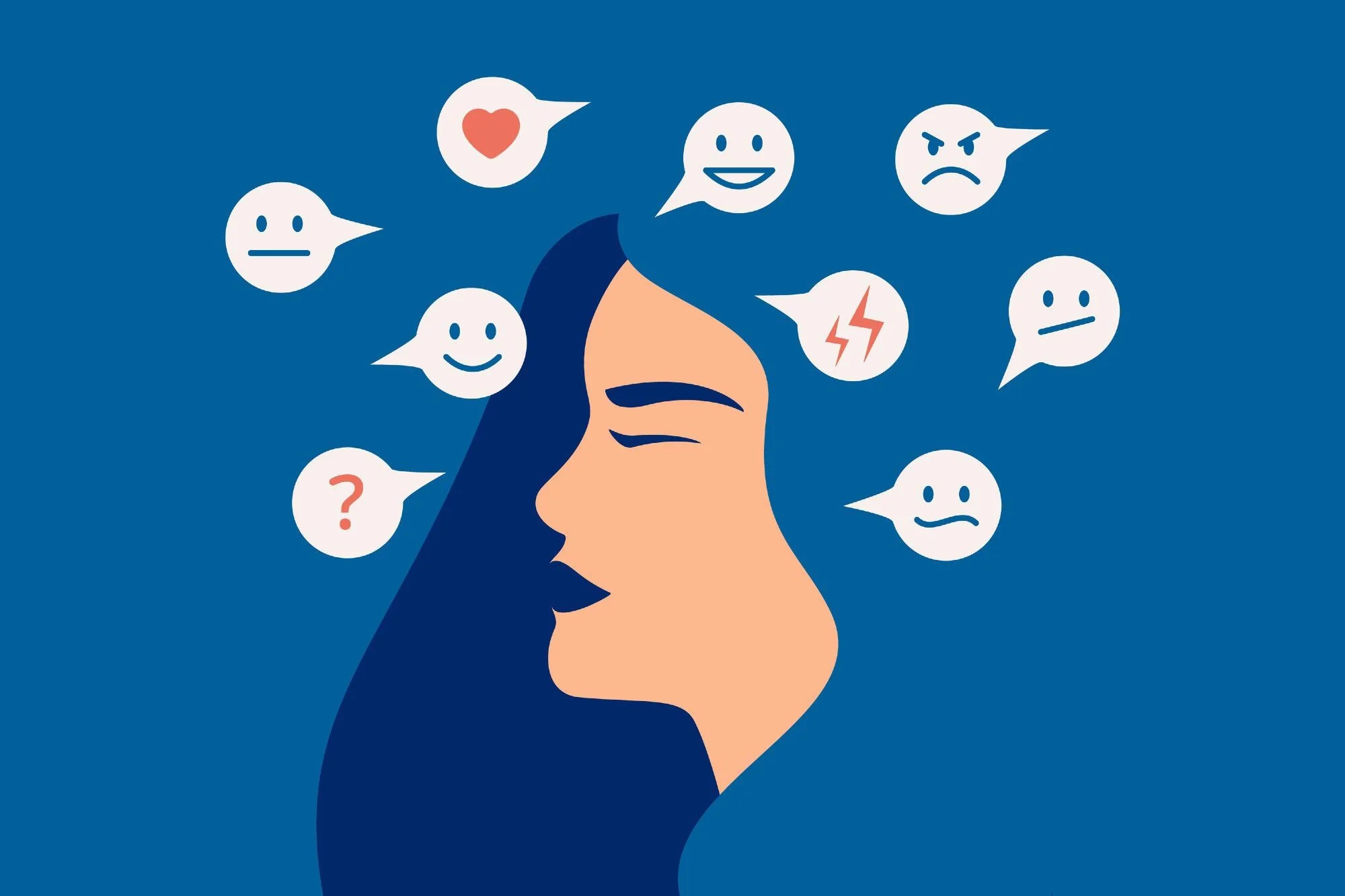
Hormonal changes can influence emotions in surprising ways because the body and mind constantly communicate through chemical signals that shift throughout daily life and create reactions people often notice without fully understanding.
What shapes the relationship between hormones and emotions?
Hormones act as messengers that travel through the bloodstream and influence mood, energy, focus, and stress responses, and people often sense these changes before recognizing their hormonal roots. The body relies on balanced hormone levels to maintain emotional stability, yet even small fluctuations can create noticeable shifts that feel sudden or confusing. According to our editor’s research, clinicians often highlight how the brain reacts sensitively to hormonal changes because neurotransmitters respond directly to hormonal signals. These reactions shape how people interpret situations, how strongly they feel emotions, and how quickly they calm down after stressful moments. Many individuals notice mood swings without realizing that hormones quietly influence these patterns every day. Understanding this connection helps people make sense of emotional changes with more clarity.
How do stress hormones affect mental wellbeing?
Stress hormones influence the way people handle pressure by adjusting alertness, energy, and emotional reactions, and frequent stress can make these adjustments feel overwhelming or unpredictable. Cortisol rises during stressful moments and increases focus temporarily, yet persistent elevation can lead to irritability, anxiety, and difficulty sleeping. As a result of our editor’s reviews, mental health professionals emphasize that chronic stress alters how the brain processes emotions by keeping the body in a prolonged state of alert. This constant activation makes small problems feel larger and reduces the mind’s ability to recover after daily challenges. People may notice faster mood shifts, lower patience, or physical discomfort that reflects hormonal strain. Recognizing the link between stress hormones and emotional patterns encourages healthier coping strategies.
Why do reproductive hormones influence mood so strongly?
Reproductive hormones play a major role in mood regulation because they shape brain chemistry in subtle yet powerful ways throughout life. Estrogen supports serotonin activity, which affects feelings of calmness and emotional balance, and drops in estrogen often create irritability or sadness. According to our editor’s research, specialists explain that both men and women experience hormonal cycles, although the patterns differ in timing and intensity. Testosterone influences motivation, confidence, and energy, and sudden changes may reduce focus or increase frustration. People sometimes misinterpret these emotional shifts as personality changes when hormonal adjustments are the real driver behind fluctuations. Understanding these patterns helps individuals navigate emotional changes with more patience and less confusion. This awareness also makes conversations with healthcare providers more productive.
What role does the thyroid play in mental health?
The thyroid controls the body’s metabolic speed, and hormonal imbalances in this gland influence energy, sleep, and emotional stability more than many people realize. When thyroid hormones drop, people may feel fatigued, discouraged, or mentally foggy even when they sleep well. When thyroid hormones rise too high, they may feel restless, anxious, or unable to concentrate for long periods. As a result of our editor’s reviews, clinicians frequently observe emotional symptoms appearing before physical ones, which means thyroid problems may first look like stress or depression. These symptoms can vary widely depending on how the gland functions, but recognizing the connection helps people understand why mood changes may feel unpredictable. Balanced thyroid activity supports clearer thinking and steadier emotional reactions. Routine evaluation often brings helpful clarity in long-lasting emotional changes.
How do blood sugar and insulin influence emotional balance?
Blood sugar levels shift throughout the day, and insulin helps regulate these shifts to maintain stability in both body and mind. When blood sugar rises unevenly, people may feel tired, irritable, or unable to focus on simple tasks. When it drops too low, they may experience nervousness, shakiness, or mood swings that feel sudden and intense. According to our editor’s research, mental health professionals often note a strong connection between blood sugar fluctuations and daily emotional patterns because the brain depends heavily on steady glucose. Irregular eating habits, long gaps between meals, and stress can intensify these fluctuations, creating emotional ups and downs that feel difficult to control. Consistent nutrition supports steadier moods by preventing large hormonal swings throughout the day. Understanding these patterns helps people respond to emotional changes more effectively.
Why does cortisol affect memory and decision-making?
Cortisol influences how the brain stores memories and reacts to information, and high levels of this hormone can reduce concentration, slow decision-making, and increase emotional sensitivity. When people experience prolonged stress, cortisol remains elevated, and this state affects how the mind processes new information. As a result of our editor’s reviews, many specialists mention that long-term stress can make remembering details harder and lead to second-guessing simple decisions. People may feel overwhelmed by minor tasks, not because of a lack of ability, but because cortisol disrupts clarity. This hormone plays a helpful role in short bursts, yet extended exposure can exhaust the mental systems responsible for calm thinking. Understanding this connection encourages healthier stress management and more awareness of how daily pressures influence thought patterns.
How do hormonal changes influence sleep and mood together?
Sleep and hormones influence each other closely, and disruptions in one often create changes in the other that people feel throughout the day. Melatonin regulates the body’s internal clock, and irregular production can make falling asleep difficult or cause frequent waking at night. Poor sleep reduces emotional resilience and lowers tolerance for everyday stressors. According to our editor’s research, cortisol and melatonin often fall out of balance under long-term stress because the body struggles to maintain a smooth rhythm. Hormonal imbalances at night affect mood the following day, increasing irritability or reducing motivation even when people believe they rested adequately. Better sleep habits support healthier hormonal cycles and create steadier emotional patterns. This connection helps people understand why sleep difficulties often accompany mood fluctuations.
What happens when hormones fluctuate during major life transitions?
Major life transitions often involve hormonal changes that influence emotions in ways people do not immediately expect. Puberty introduces new hormonal rhythms that shape mood, energy, and social awareness, and these changes vary widely between individuals. Pregnancy brings hormonal shifts that affect sleep, appetite, and emotional sensitivity, sometimes creating unexpected waves of excitement or concern. As a result of our editor’s reviews, specialists observe that postpartum hormonal changes can influence mood significantly because estrogen and progesterone shift rapidly after birth. Menopause also brings fluctuating hormones that influence sleep patterns and emotional reactions. These life phases challenge emotional stability, yet understanding the role of hormones helps normalize these experiences and reduces unnecessary worry. Support and awareness make these transitions more manageable.
How do hormones influence anxiety and emotional tension?
Hormonal shifts can increase sensitivity to stress and make daily challenges feel heavier or more demanding than usual. Cortisol rises during stressful moments and prepares the body to react quickly, but repeated surges create tension that affects both mind and body. According to our editor’s research, even minor hormonal imbalances can intensify anxiety because they change how the brain processes emotional signals. People may notice racing thoughts, restlessness, or unexplained worry when hormonal changes overlap with stressful situations. This combination amplifies tension and reduces the mind’s ability to stay calm. Understanding the hormonal component helps individuals recognize why anxiety sometimes appears unexpectedly. Awareness encourages more compassionate self-care and better stress responses.
What link exists between hormones and motivation?
Motivation depends on several brain chemicals influenced by hormones that guide focus, reward, and energy. Dopamine, which affects drive and satisfaction, responds to hormonal cues that shift throughout the day. Testosterone and estrogen both contribute to motivation in different ways, shaping how people approach tasks. As a result of our editor’s reviews, specialists point out that low hormonal levels may decrease motivation even when people feel mentally capable. Stress hormones also influence drive, increasing urgency during pressured moments but reducing motivation when levels remain high for too long. People often misinterpret low drive as laziness when it reflects hormonal imbalance. Recognizing this link helps individuals understand how internal rhythms influence daily productivity.
Why do hormonal conditions sometimes mimic mental health disorders?
Hormonal imbalances sometimes create symptoms that resemble anxiety, depression, or chronic fatigue, and these patterns can confuse people seeking clarity. Thyroid disorders may create mood swings or reduced energy that look like emotional disorders. Blood sugar issues may cause irritability or nervousness that mirrors anxiety. According to our editor’s research, specialists often evaluate hormonal health when emotional symptoms appear without clear psychological triggers. These overlapping symptoms make diagnosis challenging without careful assessment. People might feel discouraged when emotional patterns shift unpredictably, but hormonal explanations often provide relief and direction. Understanding this overlap supports more accurate treatment planning.
How does lifestyle shape hormonal and emotional balance?
Lifestyle habits influence hormone production and mental health more than many people expect because daily routines shape the body’s internal rhythms. Sleep quality affects cortisol cycles, hydration supports cellular balance, and movement influences hormone sensitivity. As a result of our editor’s reviews, specialists highlight that even small habits can strengthen emotional stability by supporting more consistent hormonal activity. Irregular meals, long work hours, and chronic stress disrupt these rhythms, making emotional ups and downs more noticeable. People often experience improvement by adjusting routines gradually rather than implementing drastic changes. Balanced lifestyles help hormones operate smoothly and support clearer thinking.
What practical steps help people manage hormone-related mood changes?
People often benefit from simple adjustments that support hormonal balance, such as consistent sleep patterns, manageable stress practices, and open communication with healthcare providers when symptoms feel confusing. These changes reduce the intensity of hormonal fluctuations and help people interpret emotional shifts with more confidence. According to our editor’s research, individuals who understand their hormonal patterns often feel more prepared during stressful moments because they can identify triggers more quickly. Awareness also helps reduce unnecessary worry because emotional changes become easier to explain. While practical strategies vary between individuals, understanding the hormonal foundation makes emotional care more effective and less overwhelming.
Why is awareness of this connection so valuable?
Awareness empowers people to interpret emotional changes with more accuracy, and this understanding reduces frustration when mood shifts feel unpredictable. Hormonal influences shape mental health more often than people realize because the body constantly adjusts to internal and external factors. As a result of our editor’s reviews, mental health professionals emphasize that recognizing these patterns allows individuals to respond thoughtfully rather than reactively. This awareness encourages people to care for their physical health alongside their emotional wellbeing. Understanding the connection also strengthens conversations with professionals, leading to clearer guidance and more supportive strategies.