
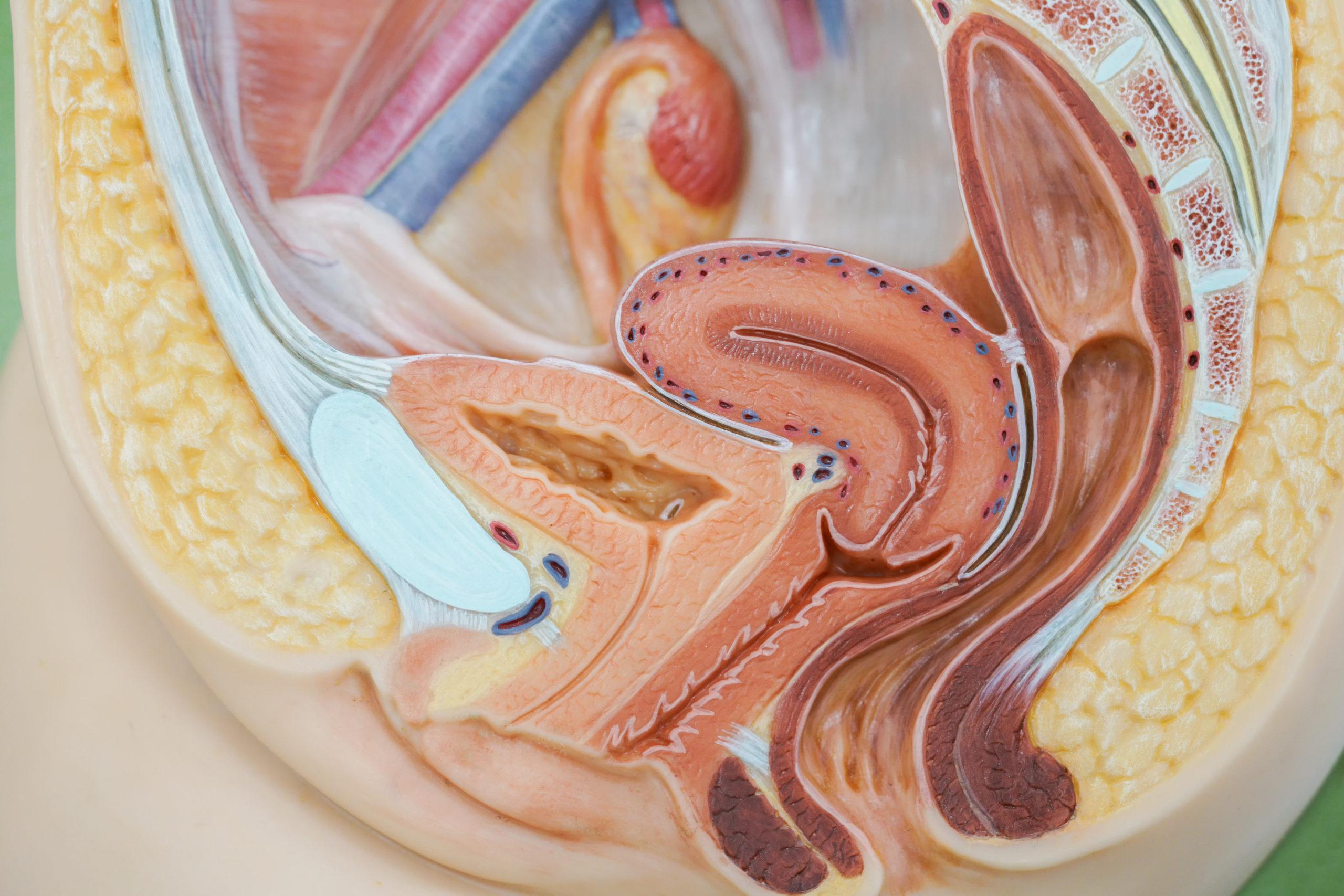
Female genital anatomy includes interconnected structures that support reproduction, protect internal organs, maintain hormonal balance, and enable natural bodily functions that shift throughout life based on health, age, and biological needs shaped by genetics and environment.
What makes female genital anatomy unique?
Female genital anatomy stands out because it includes both external and internal structures that work together to support essential functions. These structures change over time because hormones guide growth, development, and tissue balance. According to our editor’s research, many people misunderstand the complexity of this system because the parts look simple from the outside. The anatomy actually includes layers of muscles, tissues, and glands that each support health. Understanding these elements helps explain how the body maintains comfort and protection. This knowledge also encourages healthier decisions for long-term well-being.
How is the vulva structured and what does it include?
The vulva includes the external parts of the female genital area, and each part has its own protective or sensory role. The labia frame the opening and protect delicate tissue from irritation. As a result of our editor’s reviews, the vulva also contributes to temperature control and moisture balance. The clitoral region contains nerves that support sensation and natural responses. Hair growth adds a layer of protection because it reduces friction. The vulva also changes with hormonal cycles, which influence moisture and sensitivity. Understanding these shifts helps explain normal variations in comfort and appearance.
Why are the labia important for everyday comfort?
The labia protect internal structures from friction, bacteria, and dryness. The labia majora contain fatty tissue that cushions the area, while the labia minora protect the vaginal opening. According to our editor’s research, labial size and shape vary widely and follow natural patterns influenced by genetics and hormones. These variations do not affect health. The labia also respond to temperature and arousal because blood flow changes their appearance. Their protective role becomes especially important during movement, exercise, and daily activities. Stable labial health supports overall genital comfort.
How does the clitoris function and why is it complex?
The clitoris contains thousands of nerve endings that contribute to sensation, but most of its structure lies beneath the surface. This internal shape includes branches that extend around surrounding tissue. As a result of our editor’s reviews, the clitoris plays a role in blood flow, sensitivity, and natural reflexes. Hormonal changes may influence clitoral response because tissue structure depends on estrogen levels. The clitoris remains active throughout life and adapts to aging and hormonal shifts. Its complexity supports natural function without requiring conscious effort. Understanding its anatomy encourages awareness and reduces misconceptions.
What does the vaginal canal do and how does it adapt?
The vaginal canal serves multiple functions including protection, childbirth support, and fluid regulation. It contains muscular walls that expand and contract based on activity. According to our editor’s research, the vagina has a strong ability to maintain its environment through natural lubrication and pH balance. Bacteria inside the canal help protect against infections. Hormonal cycles influence thickness and moisture because estrogen supports tissue elasticity. The canal adjusts to different needs such as menstrual flow and childbirth. This adaptability protects overall reproductive health. Understanding its flexibility helps people recognize normal changes.
Why does the cervix support reproductive health?
The cervix sits at the lower end of the uterus and acts as a gateway between internal and external structures. It produces fluids that change with hormonal cycles. As a result of our editor’s reviews, cervical mucus helps protect the uterus and support fertility. The cervix also remains firm or softened depending on the phase of the cycle. During childbirth, it dilates to allow passage. Routine medical examinations help monitor cervical health, which influences long-term reproductive wellness. The cervix plays a subtle but essential role in maintaining internal balance.
What role does the uterus play in the body?
The uterus supports pregnancy and prepares monthly for potential implantation. It contains strong muscles that expand and contract naturally. According to our editor’s research, the uterine lining thickens during the cycle to support possible conception. If conception does not occur, the lining sheds. The uterus also responds to hormonal shifts that influence mood, energy, and physical comfort. Its position in the pelvis allows it to move slightly as surrounding organs shift. This flexibility protects the body from discomfort. Understanding the uterus helps explain many normal physical sensations.
How do the ovaries regulate hormones and fertility?
Ovaries produce eggs and release hormones that influence the entire reproductive system. They regulate estrogen and progesterone levels, which affect cycles, mood, and tissue structure. As a result of our editor’s reviews, the ovaries follow predictable patterns that shift through puberty, adulthood, and menopause. Each ovary may behave differently because hormone release alternates. Ovarian function influences bone strength, heart health, and energy levels. These organs adapt to aging, which changes hormone patterns over time. Understanding ovarian behavior helps people anticipate normal transitions.
Why do hormonal cycles affect the entire genital system?
Hormonal cycles shape fluid balance, tissue thickness, and sensitivity throughout the month. Estrogen plays a major role in tissue elasticity, while progesterone influences texture and moisture. According to our editor’s research, hormonal changes may affect comfort levels during activity or rest. These shifts follow natural biological patterns and vary by age. Hormonal changes also influence mood and energy, which interact with physical sensations. The genital system adapts smoothly to these fluctuations. Awareness of these patterns helps people understand normal variations.
How do childbirth and aging change anatomy over time?
Childbirth may stretch and reshape tissues because the muscles adapt to accommodate passage. Many tissues recover naturally with time because the body rebuilds strength. As a result of our editor’s reviews, aging also affects elasticity because estrogen levels decrease. These changes influence moisture and sensitivity. The pelvic floor supports the genital organs, and its strength affects comfort and stability. Regular activity and awareness help support these muscles. Anatomy continues to adapt throughout life in gentle and predictable ways. Understanding this helps people recognize normal changes.
What should people know when learning about their anatomy?
People benefit from understanding normal variations because no two bodies look identical. Awareness promotes comfort and confidence. According to our editor’s research, education reduces unnecessary worry and strengthens communication during medical care. Understanding anatomy helps people identify when something feels unusual. This knowledge supports long-term wellness and encourages healthier habits. Learning about anatomy empowers people to make informed decisions. Awareness builds trust in the body’s natural processes.