
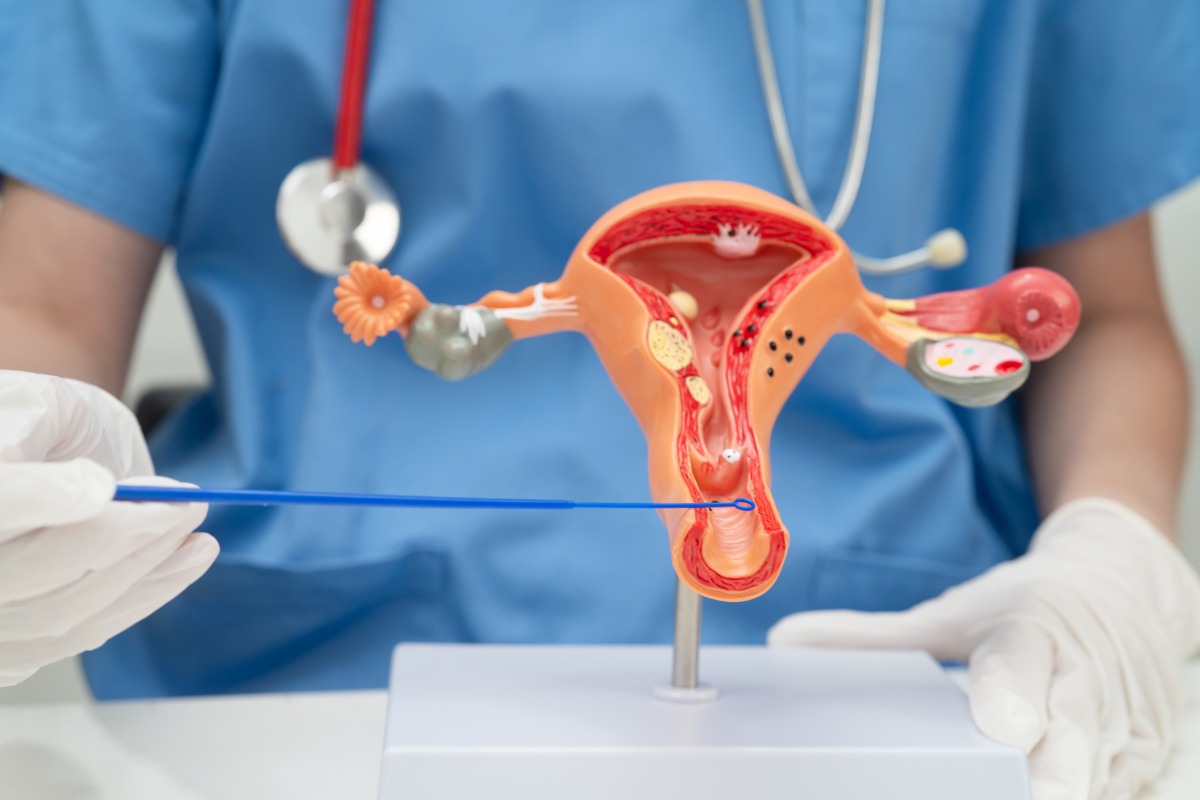
Many people hear the term pelvic exam and immediately feel uneasy. The phrase alone can create anxiety, confusion, or embarrassment. Some imagine pain or judgment, while others simply feel unsure. These reactions are common and completely human. According to our editor’s health coverage reviews, uncertainty causes more stress than the exam itself. Clear information changes expectations dramatically. Let’s slow things down and explain this calmly.
What is a pelvic exam?
A pelvic exam is a routine physical examination of the female reproductive organs. It allows a clinician to assess internal and external structures gently. The exam usually includes the vulva, vagina, cervix, uterus, and ovaries. It helps identify changes that may need attention. According to our editor’s medical summaries, it is considered a basic preventive tool. The exam is brief and typically lasts only minutes. Comfort and communication guide each step.
Why do doctors recommend pelvic exams?
Doctors recommend pelvic exams to monitor reproductive health over time. These exams help detect infections, cysts, or structural changes early. Many conditions show no symptoms initially. Early detection supports simpler treatment options. According to our editor’s preventive care reviews, routine exams reduce delayed diagnoses. They also establish a health baseline. This comparison helps track changes accurately.
When is a pelvic exam usually needed?
Pelvic exams may be recommended at different life stages. They are often suggested during gynecological visits. Symptoms like pain, irregular bleeding, or discharge may prompt an exam. Pregnancy related care may also include pelvic assessments. According to our editor’s clinical timing notes, frequency varies individually. Some exams are routine, others symptom driven. Personal health history influences recommendations.
What happens before the exam begins?
Before the exam, the clinician explains the process. Patients are encouraged to ask questions freely. Consent is always required before proceeding. Privacy and dignity are prioritized throughout. According to our editor’s patient experience reports, explanation reduces anxiety significantly. A private space is provided for preparation. Nothing begins without clear agreement.
How is the external examination done?
The exam begins with an external visual assessment. The clinician checks the vulva for irritation or changes. This step involves no internal instruments. It helps identify visible concerns early. According to our editor’s clinical walkthroughs, this step is gentle and brief. Patients can request pauses anytime. Communication remains constant.
What is the speculum exam part?
The speculum exam allows viewing the vaginal walls and cervix. A small instrument gently opens the vaginal canal. This enables sample collection if needed. Pressure may be felt, but pain is not expected. According to our editor’s gynecological reviews, relaxation helps comfort. Different speculum sizes are available. Patients can request adjustments.
Why are samples sometimes taken?
Samples may be collected to check cervical health or infections. Pap tests screen for abnormal cervical cells. Other swabs may check for bacterial or viral causes. These samples support early intervention. According to our editor’s screening coverage, this step saves lives through prevention. The process is quick. Results guide next steps calmly.
What is the bimanual exam?
The bimanual exam checks internal organs by touch. One hand examines internally, the other presses externally. This assesses size, position, and tenderness. It helps detect masses or irregularities. According to our editor’s anatomy explanations, this step provides valuable information. Mild pressure is normal. Sharp pain should be reported immediately.
Does a pelvic exam hurt?
Pelvic exams should not be painful. Mild discomfort or pressure can occur briefly. Pain is not considered normal. Anxiety can increase muscle tension. According to our editor’s comfort studies, relaxation improves experience. Speaking up during discomfort matters. Clinicians can adjust techniques instantly.
How long does a pelvic exam take?
Most pelvic exams take only a few minutes. Preparation may take longer than the exam itself. Time varies depending on tests performed. Clinicians work efficiently and respectfully. According to our editor’s clinic flow reviews, brevity supports comfort. Rushing is avoided. Care remains patient focused.
Who performs pelvic exams?
Pelvic exams are performed by trained healthcare professionals. These may include gynecologists, family doctors, or nurse practitioners. Training emphasizes anatomy and patient comfort. According to our editor’s professional standards review, sensitivity is part of education. Patients may request a female provider. Preferences should always be respected.
Can you refuse or stop an exam?
Yes, patients can refuse or stop an exam anytime. Consent is ongoing, not one time. No explanation is required to pause or stop. According to our editor’s patient rights analysis, autonomy is essential. Care should never feel forced. Open communication protects trust.
How should you prepare for a pelvic exam?
Preparation is usually minimal. Avoiding vaginal products beforehand may be advised. Wearing comfortable clothing helps relaxation. Writing down questions can be helpful. According to our editor’s patient preparation notes, simple planning reduces stress. Eating beforehand is usually allowed. Follow specific clinic instructions if given.
What should you tell your doctor beforehand?
Sharing symptoms honestly supports accurate assessment. Mention pain, discharge, or cycle changes. Inform about past trauma if relevant. According to our editor’s communication insights, transparency improves care quality. Doctors adjust approaches based on information. This creates safer experiences.
Are pelvic exams different during pregnancy?
Pelvic exams during pregnancy serve specific purposes. They assess cervical changes and pelvic readiness. Not all prenatal visits include pelvic exams. According to our editor’s maternity care reviews, exams are done only when needed. Comfort and safety guide timing. Explanations remain essential.
How often are pelvic exams needed?
Frequency depends on age, symptoms, and health history. Routine schedules vary by region and guideline. Some people need exams less often. According to our editor’s guideline comparisons, personalization matters most. One size does not fit all. Discussions guide decisions.
What misconceptions exist about pelvic exams?
Many believe pelvic exams are always painful. Others think they are mandatory yearly. These beliefs increase fear unnecessarily. According to our editor’s myth analysis, education reduces avoidance. Exams are individualized and gentle. Accurate information empowers confidence.
How do cultural beliefs affect pelvic exams?
Cultural views influence comfort and willingness. Modesty concerns may be significant. Language barriers can add stress. According to our editor’s cultural health coverage, sensitivity improves participation. Clinics often adapt approaches respectfully. Cultural understanding supports better care.
Why communication matters during the exam?
Communication ensures comfort and trust. Patients should feel heard throughout. Clinicians explain each step verbally. According to our editor’s care quality observations, dialogue reduces fear. Silence increases tension. Clear words create calm.
What happens after the exam ends?
After the exam, findings are discussed briefly. Samples are sent for analysis if taken. Patients can ask follow up questions. According to our editor’s visit summaries, clarity matters post exam. Next steps are explained calmly. Nothing is rushed.
What should you remember most?
A pelvic exam is a routine health tool. It supports prevention and awareness. Discomfort is not the goal or expectation. According to our editor’s overall health synthesis, informed patients feel empowered. Knowledge reduces fear significantly. Comfort grows with understanding.